ITC FOOD brings the model of the South East Bari Food District on a mission between Albania and Montenegro: a good practice to be replicated in the South Adriatic.

Five days of visits, training and B2B meetings between Elbasan, Fishtë, Ulcinj and Šas with companies from Italy, Albania and Montenegro to network and strengthen connections in the area.
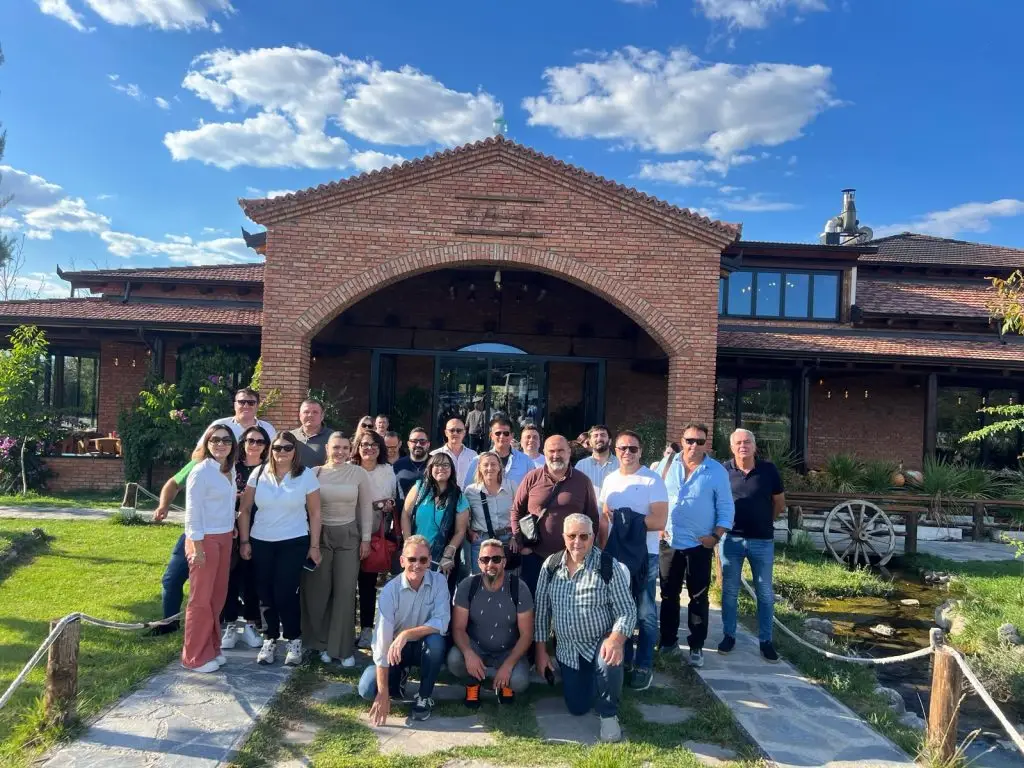
The study visit promoted as part of ITC FOOD – Innovative Training and Competences in Agri-FOOD , the cross-border cooperation project that brings together the world of research, businesses and institutions from both sides of the Adriatic to demonstrate the importance of networking and coordinated innovation in the agri-food sector, began on September 28th in Albania and will conclude on October 2nd in Montenegro.ITC Food (3)
The ongoing mission involves a delegation of Italian agricultural companies, professors, and researchers from the University of Bari. The five-day event will include meetings and training sessions with Albanian and Montenegrin companies, organizations, and associations, to share models and best practices for cooperation in the sector. 

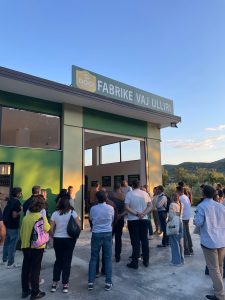
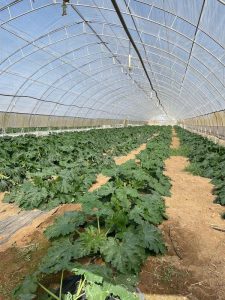
Several locations in Albania will be visited, including Tirana, Elbasan, and Fishtë , with visits to oil mills, agritourism farms, wineries, and agri-food processing SMEs. A similar number of locations are planned in Montenegro, particularly in the Ulcinj and Šas areas, with visits to fruit and vegetable producer associations, wineries, and companies specializing in greenhouse production. Numerous B2B and networking sessions between Albanian, Montenegrin, and Italian companies are also expected. All activities are scientifically coordinated by researchers from the University of Bari, with the role of facilitating the connection between businesses and different production models and presenting a model training platform between the two shores of the Adriatic, conducted by partners from Albania and Montenegro.   

At the heart of the discussion is the experience of the South-East Bari Food District , a cooperation model that the ITC FOOD project aims to replicate in other countries. Established in 2020 and currently comprising approximately 300 Apulian agri-food production and processing companies, the District has successfully created effective synergies between businesses and the research community. This experience, the project intends to transfer as a best practice to other Adriatic areas, supporting the creation of cross-border agri-food clusters. Initial ideas for the emerging cluster will be the focus of one of the coordination meetings scheduled in Ulcinj, Montenegro. 

« The mission in Albania and Montenegro is a concrete example of how the Program can support dialogue between production systems and foster new skills in the agri-food sector. 

“—commented Claudio Polignano, Managing Authority of the Interreg IPA South Adriatic Program.  Training, research, and engagement with businesses are key elements for addressing the sector’s transformation and strengthening its sustainability and competitiveness. It is through initiatives like this that European cooperation becomes a concrete investment in the future of these regions.”
ITC Food(4) “The Food District is proof that networking creates value for producers and their regions ,” says Pasquale Redavid, President of the Gal Sud Est Barese. ” With ITC FOOD, we’re bringing this experience to Albania and Montenegro, believing it can become a best practice that can be replicated throughout the Adriatic region and, more broadly, beyond Europe’s borders. Our mission is to foster cooperation between regions, businesses, and institutions, creating new opportunities for international collaboration. We’re building a true laboratory for agri-food innovation: Apulian businesses are sharing their methods and, through direct interaction with their Albanian and Montenegrin colleagues, they, in turn, gain new ideas and new market opportunities .”

ITC FOOD – Innovative Training and Competences in Agri-FOOD is co-financed by the European Union under the Interreg VI-A IPA South Adriatic Programme 2021-2027 and includes a digital training platform with courses on digitalization, circular economy, energy efficiency, and sustainable resource management. The partnership includes, in addition to the Sud Est Barese LAG , the University of Bari “Aldo Moro”, the Molise Rurale LAG , the Regional Development Agency – Ulcinj Business Association (RDA-UBA) in Montenegro, the National Agency for Employment and Skills (NAES) , and the Spoonbill Nest Innovation Center (SNIC) in Albania.

Source: https://www.noinotizie.it/01-10-2026/itc-food-porta-il-modello-del-distretto-del-cibo-sud-est-barese-in-missione-tra-albania-e-montenegro-una-buona-pratica-da-replicare-nel-sud-adriatico/

engage

Get the coolest tips and tricks today

This ebook will change everything you ever thought about relationships and attachment. Find the secret to connecting better and faster

ITC FOOD brings the model of the South East Bari Food District on a mission between Albania and Montenegro: a good practice to be replicated in the South Adriatic.

Five days of visits, training and B2B meetings between Elbasan, Fishtë, Ulcinj and Šas with companies from Italy, Albania and Montenegro to network and strengthen connections in the area.

The study visit promoted as part of ITC FOOD – Innovative Training and Competences in Agri-FOOD , the cross-border cooperation project that brings together the world of research, businesses and institutions from both sides of the Adriatic to demonstrate the importance of networking and coordinated innovation in the agri-food sector, began on September 28th in Albania and will conclude on October 2nd in Montenegro.ITC Food (3)

The ongoing mission involves a delegation of Italian agricultural companies, professors, and researchers from the University of Bari. The five-day event will include meetings and training sessions with Albanian and Montenegrin companies, organizations, and associations, to share models and best practices for cooperation in the sector. 

Several locations in Albania will be visited, including Tirana, Elbasan, and Fishtë , with visits to oil mills, agritourism farms, wineries, and agri-food processing SMEs. A similar number of locations are planned in Montenegro, particularly in the Ulcinj and Šas areas, with visits to fruit and vegetable producer associations, wineries, and companies specializing in greenhouse production. Numerous B2B and networking sessions between Albanian, Montenegrin, and Italian companies are also expected. All activities are scientifically coordinated by researchers from the University of Bari, with the role of facilitating the connection between businesses and different production models and presenting a model training platform between the two shores of the Adriatic, conducted by partners from Albania and Montenegro.   

At the heart of the discussion is the experience of the South-East Bari Food District , a cooperation model that the ITC FOOD project aims to replicate in other countries. Established in 2020 and currently comprising approximately 300 Apulian agri-food production and processing companies, the District has successfully created effective synergies between businesses and the research community. This experience, the project intends to transfer as a best practice to other Adriatic areas, supporting the creation of cross-border agri-food clusters. Initial ideas for the emerging cluster will be the focus of one of the coordination meetings scheduled in Ulcinj, Montenegro. 

« The mission in Albania and Montenegro is a concrete example of how the Program can support dialogue between production systems and foster new skills in the agri-food sector. 

“—commented Claudio Polignano, Managing Authority of the Interreg IPA South Adriatic Program.  Training, research, and engagement with businesses are key elements for addressing the sector’s transformation and strengthening its sustainability and competitiveness. It is through initiatives like this that European cooperation becomes a concrete investment in the future of these regions.”

ITC Food(4) “The Food District is proof that networking creates value for producers and their regions ,” says Pasquale Redavid, President of the Gal Sud Est Barese. ” With ITC FOOD, we’re bringing this experience to Albania and Montenegro, believing it can become a best practice that can be replicated throughout the Adriatic region and, more broadly, beyond Europe’s borders. Our mission is to foster cooperation between regions, businesses, and institutions, creating new opportunities for international collaboration. We’re building a true laboratory for agri-food innovation: Apulian businesses are sharing their methods and, through direct interaction with their Albanian and Montenegrin colleagues, they, in turn, gain new ideas and new market opportunities .”

ITC FOOD – Innovative Training and Competences in Agri-FOOD is co-financed by the European Union under the Interreg VI-A IPA South Adriatic Programme 2021-2027 and includes a digital training platform with courses on digitalization, circular economy, energy efficiency, and sustainable resource management. The partnership includes, in addition to the Sud Est Barese LAG , the University of Bari “Aldo Moro”, the Molise Rurale LAG , the Regional Development Agency – Ulcinj Business Association (RDA-UBA) in Montenegro, the National Agency for Employment and Skills (NAES) , and the Spoonbill Nest Innovation Center (SNIC) in Albania.

Source: https://www.noinotizie.it/01-10-2026/itc-food-porta-il-modello-del-distretto-del-cibo-sud-est-barese-in-missione-tra-albania-e-montenegro-una-buona-pratica-da-replicare-nel-sud-adriatico/